
Fear and Loathing in Las Vegas

Behind Casino Table Games: Chips, Tables and Security
Casino table games have always been one of the most recognizable parts of a land-based casino. Players see dealers, cards, chips, gaming tables, roadmap displays and the atmosphere of live interaction.There are occasions when we here at ReadyBetGo want to bring you interesting facts about the gambling industry When something catches our eye, we will publish it for your enjoyment. 
They experience baccarat, blackjack, roulette, poker and other table games through betting rhythm, table layout and face-to-face play.
For casino operators, however, table games are more than entertainment. Behind every gaming table, there are chip movements, game security, dealer procedures, player behavior, surveillance review, asset control, compliance records and floor-level management. Players see the surface of the game, while operators manage a complex live operating system.
Traditionally, casino table games have relied heavily on human experience. Dealers control the game process, pit bosses supervise the floor, surveillance teams review video footage, and chip management teams handle counting and records. This model still matters, but larger casino floors, higher player traffic, greater chip values and stricter operational requirements are pushing casinos to use more technology.
Modern casinos are now introducing tools such as RFID casino chips, smart baccarat tables, roadmap displays, table monitoring systems and casino management systems. These technologies are not designed to replace dealers or remove the live gaming atmosphere. Their purpose is to help operators see the data, risks and operational status behind table games more clearly.
The future of casino table games is not about moving everything online. A more realistic direction is that land-based table games will keep physical chips, real dealers and live interaction, while the management behind the floor becomes smarter, more traceable and more data-driven.
Why Casino Table Games Still Matter on the Gaming Floor
Even as slot machines, online casinos and mobile gaming continue to grow, table games still have strong value inside land-based casinos. The reason is simple: table games create live participation, not just a final result.
A busy baccarat area can attract players to stay and watch. A popular blackjack table can bring energy to the surrounding floor. Clear roadmap displays and professional table layouts can influence whether players decide to sit down and join the game.
This is especially true in Asian gaming markets, where baccarat is often one of the most important casino table games. Many players enter a casino, check baccarat tables, observe roadmap trends and then decide where to play. In this context, a baccarat table is not only a gaming product. It is part of the overall casino floor experience.
But the more important table games are, the more difficult they are to manage. A single table may involve:
- Dealer procedures and settlement accuracy;
- Player bets and chip movement;
- Game pace and table activity;
- Chip counting and asset control;
- Surveillance review and dispute handling;
- Table limits, staffing and floor layout decisions.
Traditional management can handle many of these issues through experience, but when table volume and chip movement increase, operators need better visibility. This is why smart casino technology is becoming more relevant to modern casino floor operations.
The Operational Challenges Behind Traditional Table Games
Traditional table games create many live actions, but not every action is recorded in a complete and structured way.
Dealers focus on the current round. Pit bosses can only observe a limited number of tables at once. Surveillance teams can review video footage, but video alone may not always show chip identity, chip source, real-time table status or system records.
This creates several long-term operational challenges.
Chip Movement Is Difficult to Track Manually
Casino chips are high-value assets. They are used for betting, settlement and value transfer across the gaming floor. Traditional chips are usually managed through visual design, anti-counterfeit materials, denomination colors, edge patterns and manual counting. These methods remain important, but they have limits in high-volume table game environments.
During peak hours, chips move frequently between players, dealers, chip trays, cages and different tables. If a casino needs to confirm the source of chips, check table-level chip changes, investigate a dispute or review abnormal activity, relying only on manual records and video footage can be slow.
Chip management is not only about preventing counterfeit chips. Operators also need to know where chips are, whether high-value chips are correctly identified, whether table chip changes match actual activity, and whether disputes can be reviewed quickly.
This is one reason RFID chips are becoming more important in casino operations. By embedding identifiable RFID information into chips, casinos can turn chips from ordinary physical assets into smart assets that can be identified, recorded and tracked.
Table Activity Is Often Fragmented
Each gaming table operates like a small independent unit. One baccarat table may stay active all night, while another receives less traffic. One blackjack table may have faster game pace but lower bet amounts. Another table may have fewer players but higher chip value per round.
Without connected data, managers may find it difficult to answer important questions in real time:
- Which tables are the most active?
- Which tables need more dealer or floor support?
- Which tables show unusual chip movement?
- Which game types perform better during specific time periods?
- Should table limits or staffing be adjusted?
Traditional reports can help, but they are often delayed. By the time a report is reviewed, the live floor situation may already have changed. Smart table systems do not replace management judgment. They provide more floor-level data so managers can respond faster.
Security Depends on More Than Observation
Casino security has always depended on trained professionals, including dealers, pit bosses, surveillance teams and chip management staff. Their experience is still essential.
However, human attention is limited. In a busy table game area, many actions happen at the same time: players placing bets, cards being dealt, payouts being made, chips being exchanged, seats changing and staff communicating on the floor. Even experienced teams cannot remember every detail.
Video surveillance provides important evidence, but it mainly records images. For chip identity, system time, table status and structured records, additional data can be valuable.
Modern casinos increasingly need a combination of human experience and technical records. Staff continue to make decisions and handle live situations, while technology supports clearer chip identification, more consistent data records and stronger review capability.
How Casino Chips Are Becoming Part of Smart Table Games
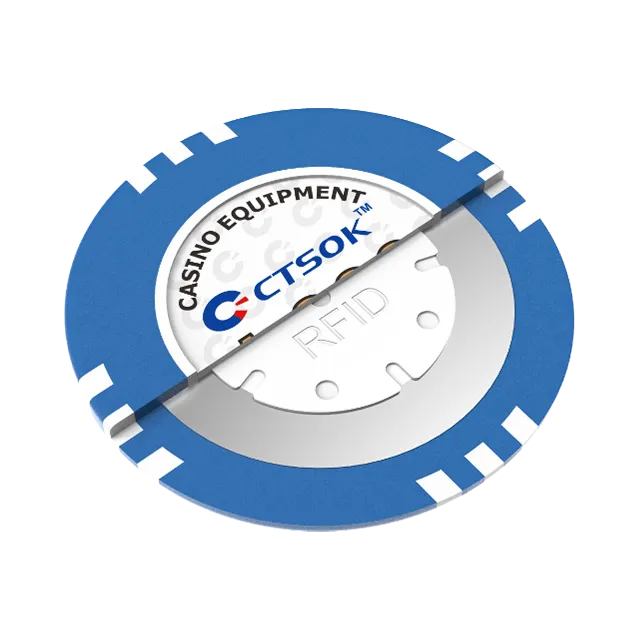
For players, casino chips may simply be betting tokens. Different colors represent different values, and players use chips across gaming tables. For casino operators, however, chips are controlled assets that directly affect security, inventory and risk management.
Traditional chips rely on design, materials and manual procedures. These features still matter, but casinos increasingly need more real-time asset visibility. This is where RFID technology becomes useful.
The core value of RFID casino chips is that each chip can carry unique identification information. When a chip passes compatible reading equipment, the system can identify the chip and use that information for inventory management, table monitoring, anti-counterfeit verification and operational review.
For casinos, RFID casino chips can help improve chip identification, inventory visibility and table game security management.
RFID chips do not change how players place bets. Players still use physical chips, dealers still follow normal game procedures, and the table experience remains familiar. The main change happens behind the floor.
RFID chips can help casinos support:
- Chip identity recognition;
- Inventory management;
- Anti-counterfeit verification;
- High-value chip tracking;
- Table-level chip movement records;
- Connection with casino management systems;
- Review of disputes and abnormal activity.
This is especially useful in baccarat and other table games where chip movement can be frequent. When many players bet at the same time and table chips change quickly, relying only on human observation can create high operating pressure. RFID-supported systems give casinos stronger asset visibility and more reliable review data.
Of course, RFID technology does not solve every problem by itself. It needs to work together with floor procedures, staff training and surveillance. The most effective approach is to make RFID chips part of the wider table game management environment.
Baccarat Tables Are Becoming More Data-Driven
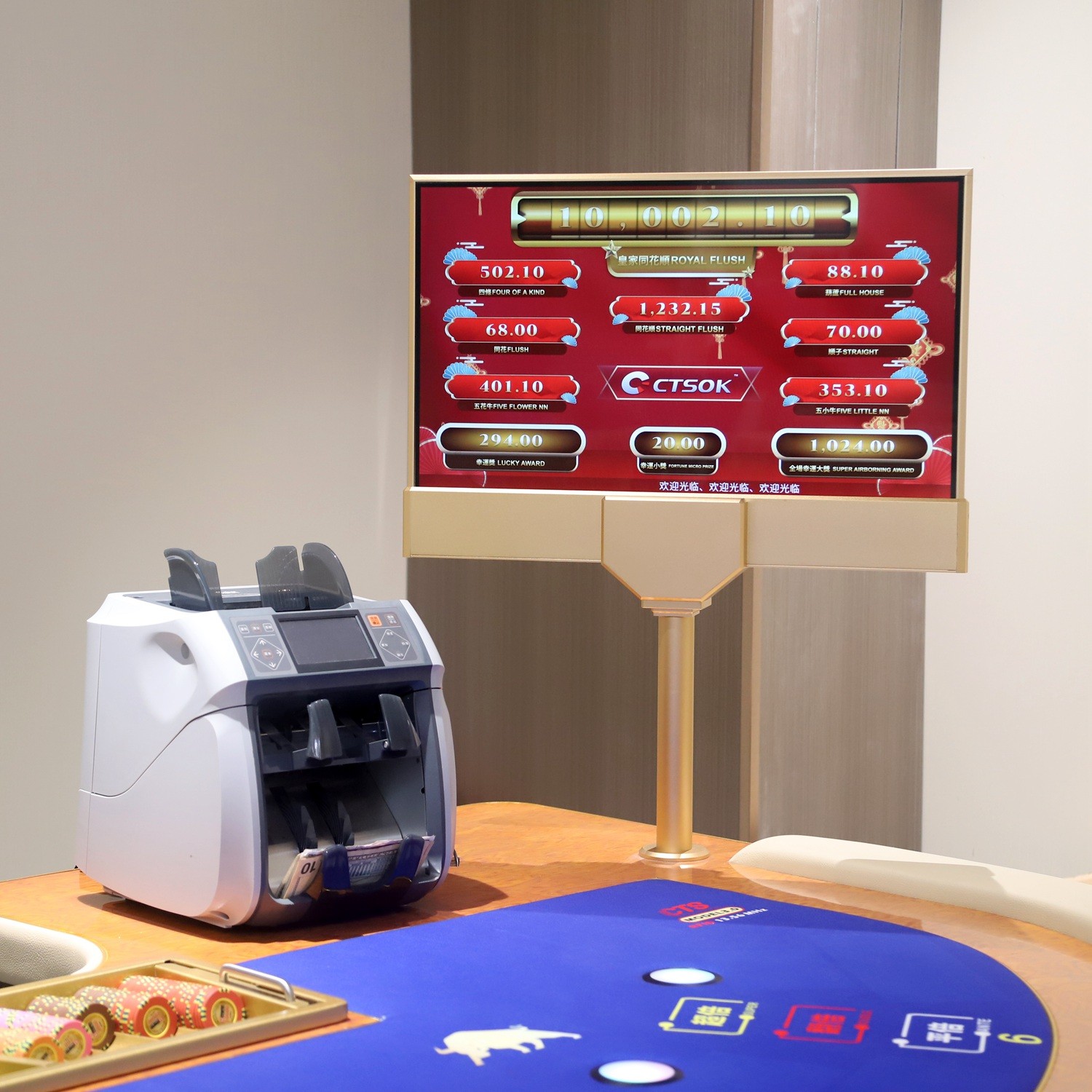
In many casinos, the baccarat table is one of the most important table game products. Baccarat has simple rules, a steady rhythm and strong player attention. In Asian and Macau-related gaming markets, baccarat often holds a central position on the casino floor.
Traditional baccarat tables focus on game layout and player experience. The betting areas must be clear, the dealer position must support smooth dealing and settlement, player seating must be comfortable, and the chip tray and dealing process must match casino procedures.
In modern casinos, however, baccarat tables are gradually moving from simple furniture equipment to part of a connected table system.
A modern baccarat table can be combined with RFID chips, roadmap displays, table monitoring systems and back-end management systems to provide stronger table-level data support.
This kind of upgrade is not intended to make baccarat more complicated. It is designed to make baccarat areas easier to manage while keeping the player experience familiar.
Smart baccarat tables can support:
- RFID chip recognition at the table level;
- Integration with baccarat roadmap displays;
- Connection with management systems;
- Clearer table status visibility;
- Faster understanding of table activity;
- Better support for game security and operational efficiency.
For players, the table still looks and feels like a traditional baccarat table. They see the familiar layout, dealer, chips and roadmap. The real difference is behind the floor: the table can become a data connection point that works with other casino systems.
This matters because baccarat often involves frequent betting and high chip movement. When a table connects with RFID chips, displays and management systems, operators can gain a clearer view of live table activity.
Displays and Roadmaps Improve the Player-Facing Experience
Table game technology does not only serve back-end management. It also affects the player-facing experience. Baccarat roadmap displays are a good example.
Many baccarat players observe roadmap trends, historical results and table status before choosing where to play. If the information is clear, players can decide more quickly whether to stay, watch or join the game. For casinos, this is not only information display. It is also a way to attract players closer to the table.
A clear baccarat roadmap display can show game results, roadmap changes, table information, minimum bets or other content. For players, clear information reduces the effort needed to understand the table. For casinos, a professional display can improve the appearance and visibility of the table area.
Roadmap displays do not change game results or affect probabilities. Their value lies in information visualization and player experience.
From an operational perspective, displays can also become part of a connected table system. If display content can work with table data or management systems, the display is no longer just a standalone screen. It becomes a front-end presentation point in a smart casino environment.
Casino Management Systems Connect the Data Behind the Floor
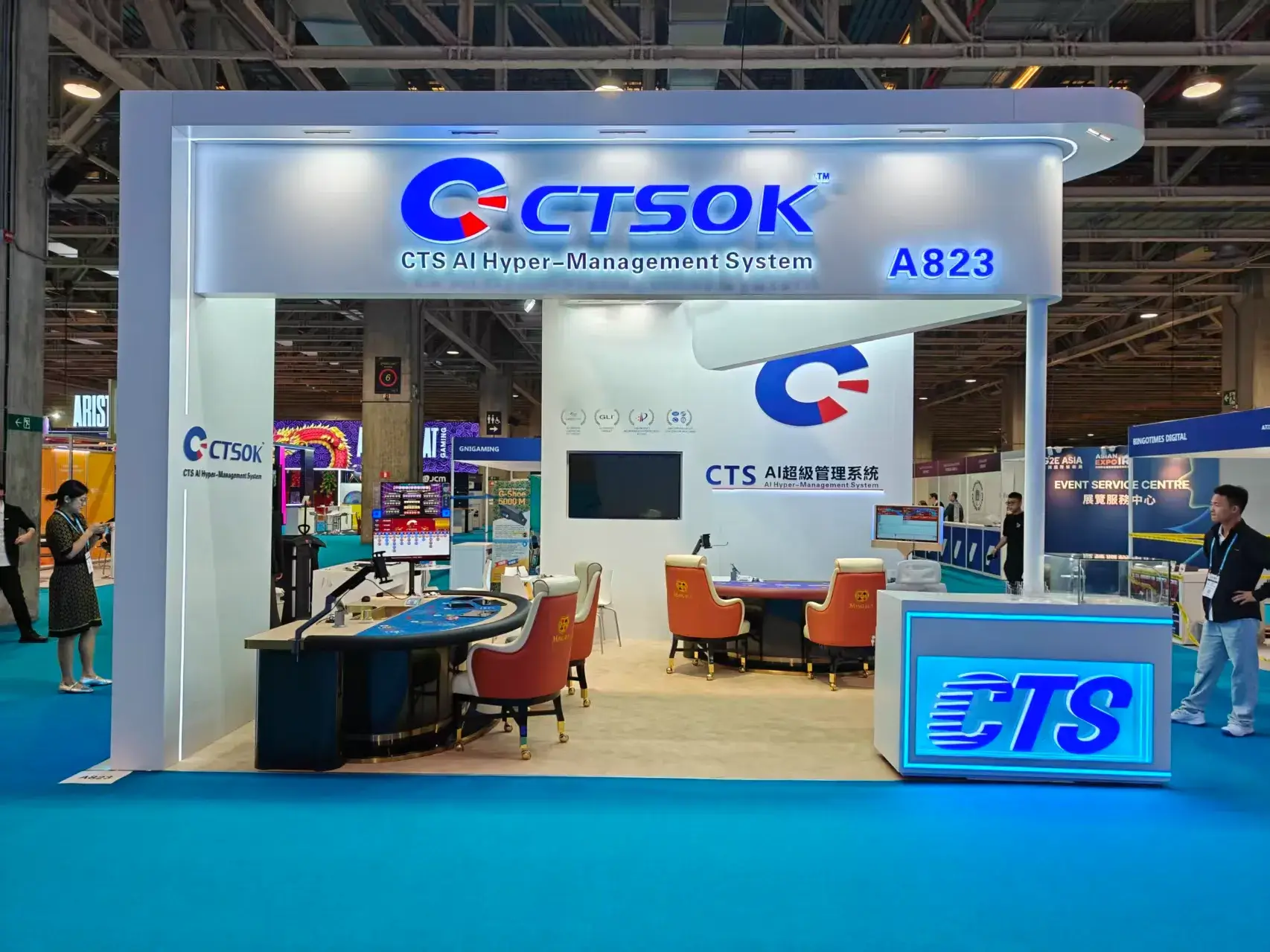
RFID chips, smart baccarat tables and roadmap displays have limited value if they exist separately. Their value becomes stronger when they are connected.
The role of a casino management system is to integrate tables, chips, displays, operational data and management workflows. It helps casinos move from single-device management toward more complete gaming floor management.
In a traditional environment, information may be scattered across different places:
- Chip inventory may be handled manually or separately;
- Table performance may depend on floor observation;
- Surveillance data may stay in video systems;
- Roadmap displays may be controlled by separate devices;
- Reports may be prepared manually;
- Dispute review may require several departments.
When information is separated, management efficiency can be affected. After a problem occurs, the casino may need to review video, count chips, ask dealers, check records and compare reports. This process can take time and may still leave information gaps.
A casino management system can help connect these scattered data points and make table game operations easier to monitor, review and manage.
For table game operations, this kind of system can support:
- Table activity monitoring;
- Chip identification and movement records;
- Table status visibility;
- Improved operational efficiency;
- Asset inventory management;
- Security review.
This is especially important for larger casinos. A casino floor is not static. Player traffic changes throughout the day. Different gaming areas perform differently. Different tables have different chip movements and participation levels.
If managers only rely on after-the-fact reports, it can be difficult to adjust operations in time. If table, chip and system data can be integrated more quickly, management teams can understand floor conditions more effectively and respond with better context.
Technology does not automatically replace management decisions, but it can help those decisions be made on a clearer data foundation.
What This Means for Casino Operators
For casino operators, the purpose of introducing table game technology should not be simply to look more advanced. Valuable technology must solve real operational problems.
Modern casino table game technology can support several areas.
First, it improves chip asset visibility. RFID chips can help casinos identify and manage chips more effectively, reducing the pressure of relying completely on manual counting.
Second, it improves table activity visibility. Smart tables and management systems can help operators understand which tables are more active, which tables need attention and which areas may require staffing or equipment adjustments.
Third, it supports stronger security review. When disputes or abnormal situations occur, system data can work together with video surveillance to provide more review evidence.
Fourth, it improves player experience. Clear roadmap displays, professional table design and stable table systems can help players understand table status more easily.
Fifth, it improves operational management. Casinos can understand live floor performance through more complete data rather than relying only on experience and delayed reports.
The key point is that technology should serve the casino floor rather than interrupt the live experience. The core of table games remains real interaction, live atmosphere, dealer service and player participation. The best technology works quietly in the background, helping operators see more clearly while players continue to enjoy a familiar gaming experience.
The Future of Casino Table Games
The future of casino table games will not simply become fully automated or fully online. A more likely direction is the gradual integration of traditional table games with smart management systems.
Players will still sit at real tables, use real chips, face real dealers and enjoy live interaction through baccarat, blackjack, roulette or poker. Behind this traditional experience, casino operators will use smarter tools to manage chips, tables, display content and operational data.
RFID casino chips can make chips easier to identify and manage. Smart baccarat tables can turn tables into data connection points. Roadmap displays can help players see table information more clearly. Casino management systems can connect scattered devices and operational data into a more complete floor management view.
Technology is not designed to change the nature of casino table games. It is designed to protect their core values: trust, security, transparency, efficiency and live atmosphere.
Solutions from CTSOK are built around this direction, providing RFID chips, baccarat tables, table displays and casino management systems to help modern gaming venues build clearer, safer and more efficient table game operations.
The core of casino table games has never been only about rules. It is a combination of live trust, asset control, player experience and operational efficiency. In the future, competitive casino table game areas will not only improve game efficiency, but also make back-end data management clearer, more stable and more intelligent.